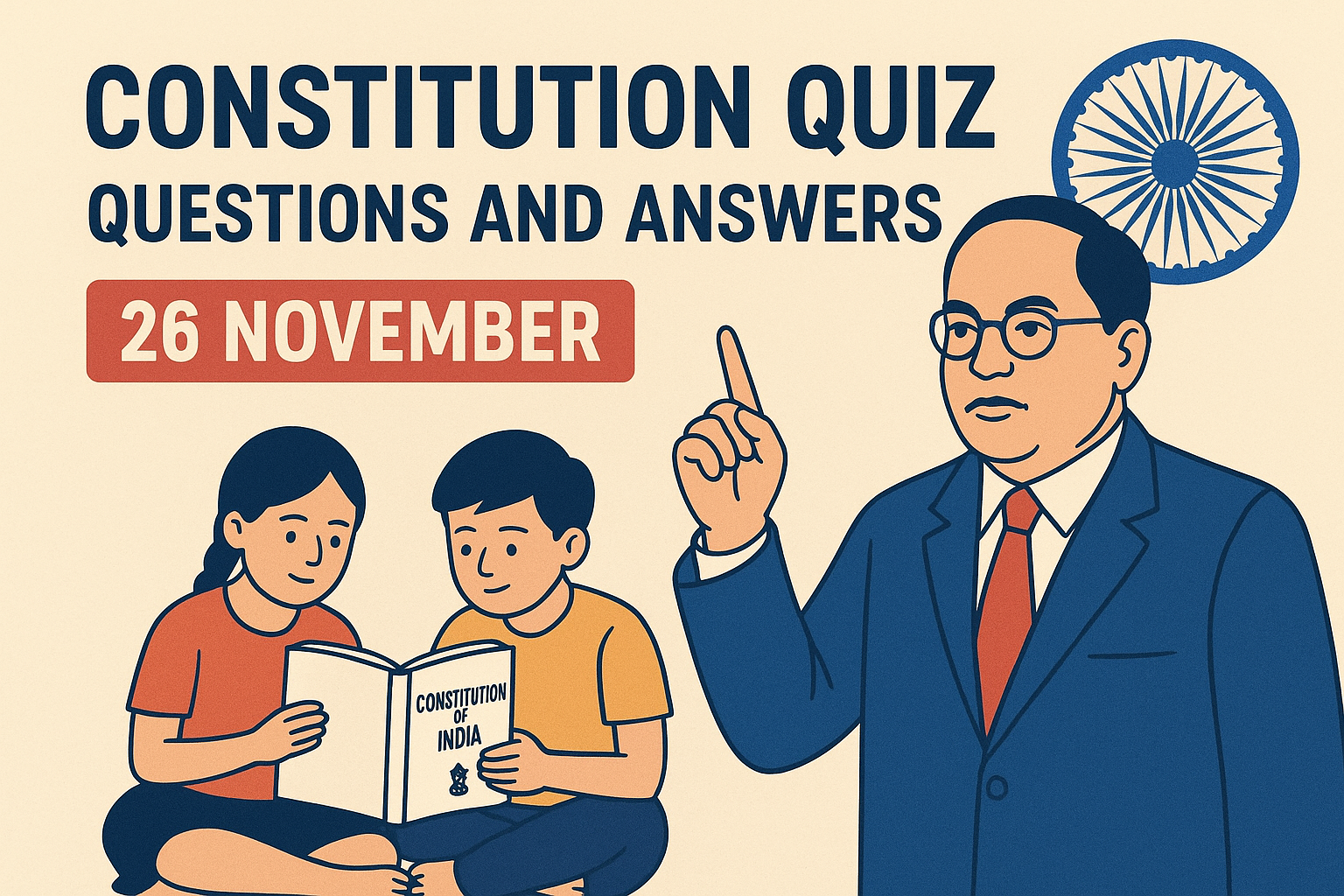
Constitution Day, or Samvidhan Divas, is celebrated every year on 26 November in India. On this day, the Constitution of India was adopted. It is one of the world’s longest written Constitutions and defines:
how the government works,
the rights of citizens,
the duties we must follow,
and the values that shape India.
This day reminds us to read, understand, and respect the laws that protect every citizen.
2. Short History of the Indian Constitution
Here are some easy-to-remember points:
The Constitution was written by the Constituent Assembly.
The Assembly had 299 members.
It took 2 years, 11 months, and 18 days to complete the Constitution.
The Constitution was adopted on 26 November 1949.
It came into effect on 26 January 1950 (Republic Day).
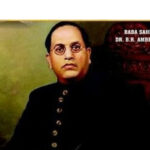
Dr. B.R. Ambedkar served as the Chairman of the Drafting Committee.
The Constitution includes:
22 Parts
395 Articles (originally; now more than 470+)
12 Schedules
It is one of the most detailed constitutions in the world.
3. Constitution Day Quiz
Below are 100+ Compiled Questions, including MCQs, True/False, and Short-Answer Questions.
4. Constitution MCQs with Answers (1–50)
MCQ 1. When is Constitution Day celebrated?
A) 15 August B) 26 January C) 26 November D) 2 October Answer: C
MCQ 2. When was the Constitution of India adopted?
A) 15 August 1947 B) 26 November 1949 C) 26 January 1950 D) 2 October 1949 Answer: B
MCQ 3. When did the Constitution of India come into force?
A) 26 January 1950 B) 26 November 1949 C) 15 August 1947 D) 2 October 1950 Answer: A
MCQ 4. Who is known as the “Father of the Indian Constitution”?
A) Jawaharlal Nehru B) Dr. B.R. Ambedkar C) Sardar Patel D) Dr. Rajendra Prasad Answer: B
MCQ 5. How many members were in the Constituent Assembly?
A) 389 B) 299 C) 250 D) 312 Answer: B
MCQ 6. How long did it take to draft the Indian Constitution?
A) 1 year B) 3 years C) 2 years, 11 months, 18 days D) 5 years Answer: C
MCQ 7. Who was the first President of India?
A) Dr. Rajendra Prasad B) Dr. S. Radhakrishnan C) Vivekananda D) H.N. Kunzru Answer: A
MCQ 8. How many Articles were originally there in the Constitution?
A) 395 B) 300 C) 470 D) 350 Answer: A
MCQ 9. How many Schedules are in the Indian Constitution today?
A) 10 B) 12 C) 13 D) 14 Answer: B
MCQ 10. Which part of the Constitution contains Fundamental Rights?
A) Part III B) Part IV C) Part V D) Part II Answer: A
Continue MCQs (11–50)
(Shortened Q&A format for readability)
Who is the head of the Indian State? — President
Who is the head of the Government? — Prime Minister
Which Article deals with Right to Equality? — Article 14
Which Article deals with Right to Freedom? — Article 19
Directive Principles are in which part? — Part IV
Which Article abolishes Untouchability? — Article 17
Which Article deals with Right to Education? — Article 21A
Minimum age for voting? — 18 years
Minimum age for MP (Lok Sabha)? — 25 years
Which Schedule lists languages? — Eighth Schedule
How many official languages? — 22
Who administers Oath to President? — Chief Justice of India
Who appoints the Prime Minister? — President
Who appoints the Governor? — President
How many High Courts are there in India? — More than 25
Supreme Court established in? — 1950
Number of judges in Supreme Court? — 34 (with CJI)
Which Article allows Emergency? — Article 352
Financial Emergency Article? — Article 360
Who is Commander-in-Chief? — President
Which Amendment lowered the voting age to 18? — 61st Amendment
Preamble starts with? — “We, the People of India…”
What is India? – India is a Sovereign, Socialist, Secular, Democratic Republic
Which Article defines citizenship? — Article 5–11
GST was introduced by which amendment? — 101st Amendment
Right to Property is now a ___ right. — Legal right
Which Article guarantees Right to Constitutional Remedies? — Article 32
Who called Article 32 the “Heart and Soul”? — Dr. B.R. Ambedkar
Which body conducts elections? — Election Commission of India
First Law Minister of India? — Dr. B.R. Ambedkar
Which part contains Fundamental Duties? — Part IVA
How many Fundamental Duties? — 11
Which Article deals with National Emergency? — Article 352
Which Article deals with Governor’s rule? — Article 356
Minimum age for President? — 35 years
How many states are in India? — 28
How many Union Territories? — 8
Which Article says Hindi is the official language? — Article 343
Which Article deals with Supreme Court? — Article 124
Which Article deals with High Courts? — Article 214
5. Short Answer Constitution Quiz (51–75)
What is the Preamble? A short introductory statement of the Constitution.
Who elects the President of India? Electoral College.
What does Article 21 guarantee? Protection of Life and Personal Liberty.
What is “Secularism”? Equal respect for all religions.
What is the Parliamentary system? The government is responsible to Parliament.
How many Fundamental Rights? Six.
What is a Bicameral Legislature? Two houses (Lok Sabha + Rajya Sabha).
Who can dissolve the Lok Sabha? President.
What is the Universal Adult Franchise? Right to vote for all above 18.
What is the FRBM Act? Fiscal Responsibility and Budget Management.
Name the longest written Constitution. Indian Constitution.
What is Judicial Review? The court can check the validity of laws.
What is Habeas Corpus? A writ to protect personal liberty.
What is a Constitutional Amendment? A change in the Constitution.
What is Article 370? Special status to J&K (now removed).
Which Article allows the President’s Rule? Article 356.
Who controls the Union Budget? Finance Minister.
What is the term of Lok Sabha? 5 years.
Which body protects Fundamental Rights? Judiciary.
Who can remove judges? Impeachment by Parliament.
Which house is permanent? Rajya Sabha.
Money bills introduced only in? Lok Sabha.
Who heads NITI Aayog? Prime Minister.
How many types of emergencies? Three.
Who appoints CAG? President.
6. True or False Quiz (76–100)
The Constitution was adopted on 26 November 1949 — True
Fundamental Rights are in Part II — False
President is the real head of Government — False
Lok Sabha members are elected by the people — True
Supreme Court is the highest court — True
Directive Principles are enforceable — False
GST came in 2017 — True
India has 22 official languages — True
Article 21 is about Right to Property — False
Prime Minister appoints Governor — False
President has emergency powers — True
Chief Justice heads the Judiciary — True
Rajya Sabha is dissolved every five years — False
Lok Sabha has 545 seats — True
Preamble is part of the Constitution — True
Parliament consists of two houses — True
“Secular” added by 42nd Amendment — True
Article 32 deals with Equality — False
State Legislature has Governor + Assembly — True
Money Bill needs Rajya Sabha approval — False
President must be Indian citizen — True
Constitution has 12 Schedules — True
Supreme Court judges appointed by the PM — False
Right to Vote is a Fundamental Right — False
Constitution is the supreme law of India — True
7. Important Facts for Students.
The Constitution protects our freedom.
It gives structure to the government.
It ensures justice, equality, and liberty.
It teaches us duties like respecting the nation, protecting public property, and promoting harmony.
Every student must read the Preamble at least once a year.
8. Conclusion
Constitution Day (Samvidhan Divas) reminds us to be responsible citizens. These 100+ Constitution quiz questions and answers are perfect for:
School competitions
Republic Day events
Constitution Day programs
UPSC, SSC, MPSC aspirants
Online quizzes
Understanding the Constitution helps us build a stronger India.