
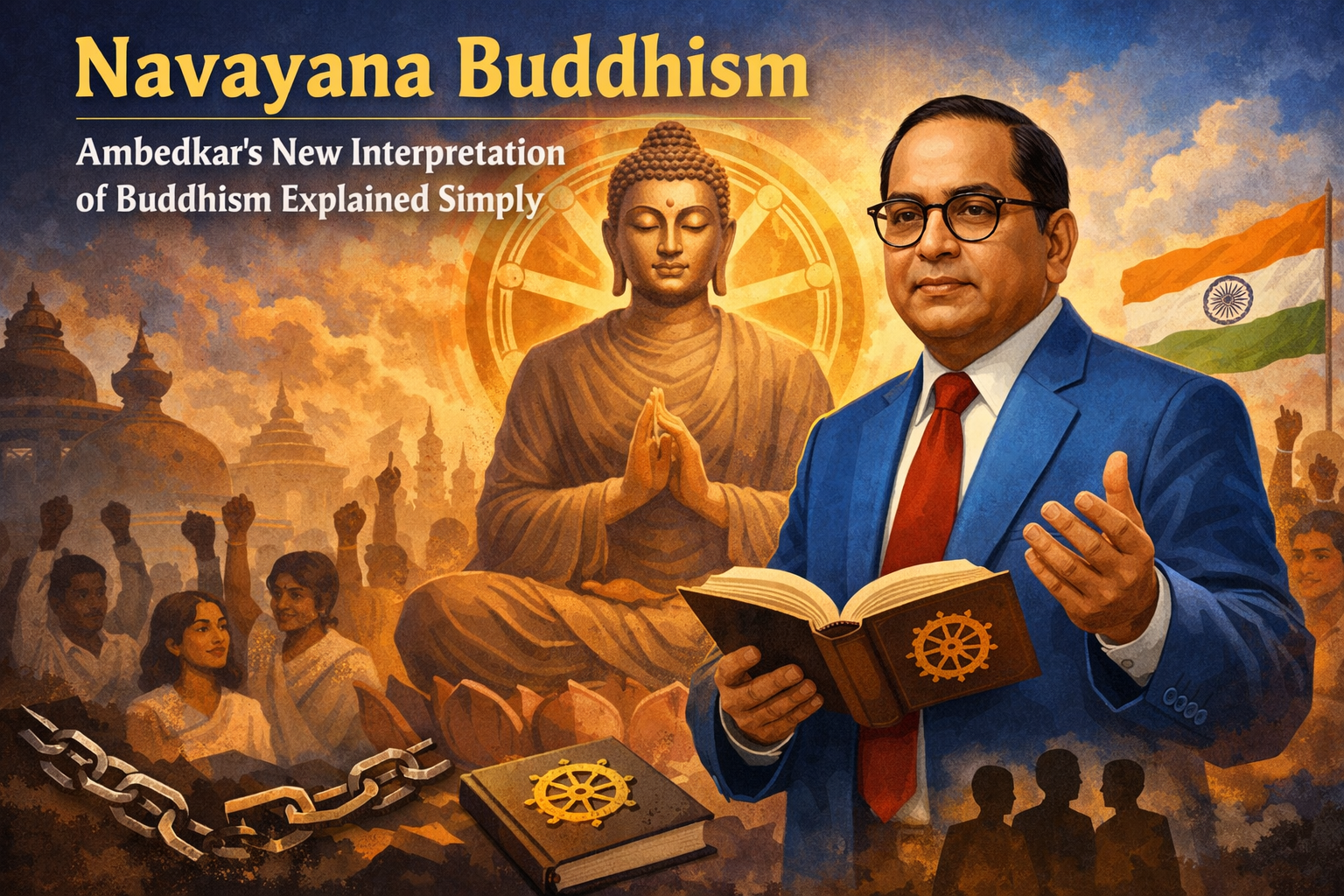
Introduction: A Religion Reborn for the Oppressed
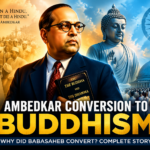
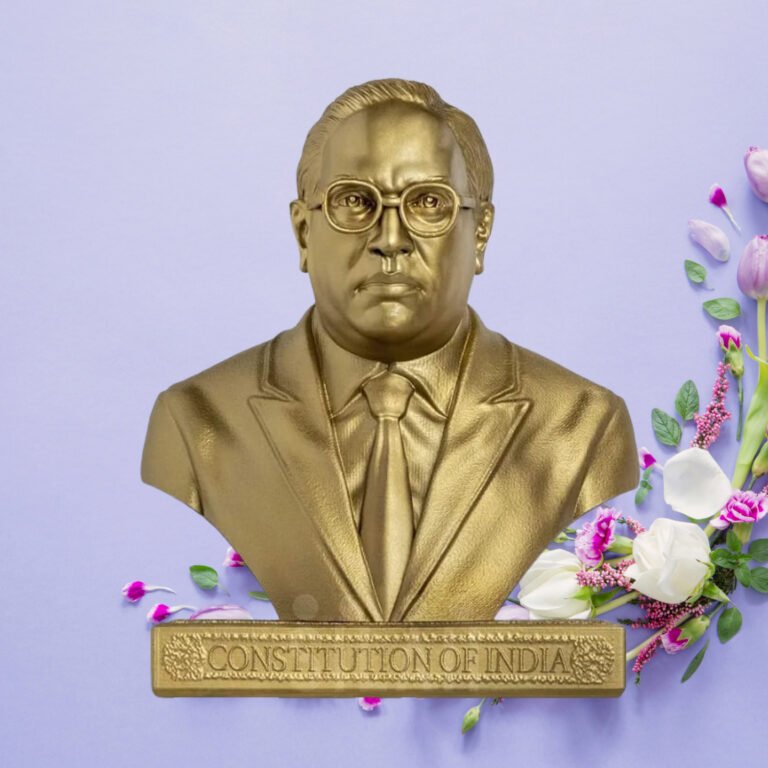
On the morning of October 14, 1956, nearly 500,000 people dressed in white gathered on a vast ground in Nagpur, India. Their leader, Dr. B.R. Ambedkar — the architect of the Indian Constitution and India’s most prominent Dalit voice — stood before them and did something historic. He publicly renounced Hinduism and embraced Buddhism. But it wasn’t the Buddhism of monks and monasteries. It was something entirely new.
He called it Navayana Buddhism.
If you’ve ever searched “navayana buddhism ambedkar explained” and found confusing academic language, you’re in the right place. This article breaks it all down — simply, clearly, and completely.
What Does “Navayana” Actually Mean?
The word Navayana comes from Sanskrit. “Nava” means new, and “Yana” means vehicle or path. So Navayana literally translates to “The New Vehicle” — a new path within Buddhism.
Traditional Buddhism has three main schools:
- Theravada — the “Teaching of the Elders,” dominant in Sri Lanka, Thailand, and Myanmar (Hinayana is essentially the name for Theravada Buddhism)
- Mahayana — the “Great Vehicle,” practiced in China, Japan, and Korea
- Vajrayana — the “Diamond Vehicle,” associated with Tibetan Buddhism
Ambedkar announced that his Buddhism was none of these. He declared it a fourth path — one rooted not in spiritual escape, but in social liberation.
Who Was Dr. B.R. Ambedkar?
To understand Navayana, you must understand the man who created it.
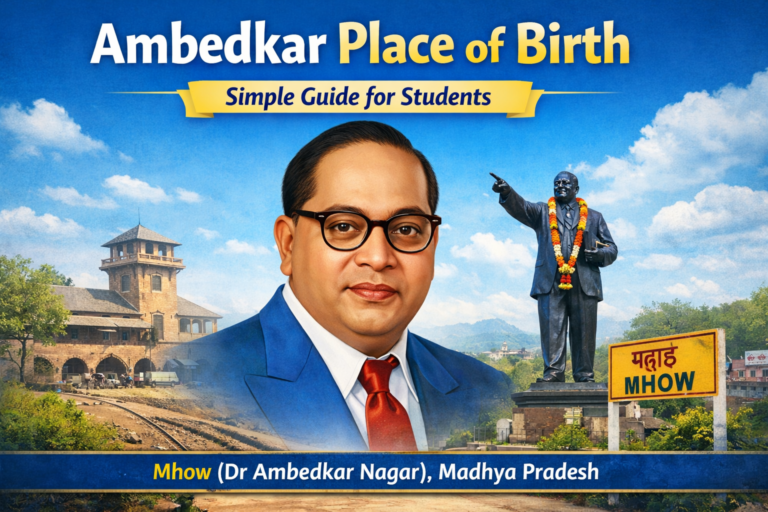
Dr. Bhimrao Ramji Ambedkar (1891–1956) was born into a Mahar family — a caste considered “untouchable” in Hindu society. Despite intense discrimination, he earned degrees from Columbia University and the London School of Economics, becoming one of the most educated men in India at the time.
He returned to India and fought tirelessly for the rights of Dalits (formerly called “untouchables”). He drafted India’s Constitution, was independent India’s first Law Minister, and spent decades challenging the caste system through law, politics, and eventually, religion.
In 1935, after failed attempts to reform Hinduism from within, Ambedkar famously declared: “I was born a Hindu, but I will not die a Hindu.” Over the next 21 years, he studied Hinduism, Buddhism, Christianity, Islam, and Sikhism before choosing Buddhism — and reshaping it entirely.
He passed away just six weeks after the mass conversion in Nagpur, but his legacy lives on through millions of followers across India.
Why Did Ambedkar Reject Traditional Buddhism?
Ambedkar did not simply convert to Buddhism as it existed. He studied its texts deeply and found several core beliefs problematic for the oppressed communities he wanted to liberate. Specifically, he rejected:
1. Karma and Rebirth Traditional Buddhism teaches that suffering in this life is a result of karma from past lives. To Ambedkar, this was dangerous — it implied that Dalits deserved their oppression. He rejected rebirth entirely as unverifiable and socially harmful.
2. The Four Noble Truths (as traditionally interpreted) Classical Buddhism begins with the acknowledgment that life is suffering (dukkha) and that the path to liberation is personal and spiritual. Ambedkar reframed suffering as collective social suffering — caused by caste oppression, poverty, and discrimination — not individual karma.
3. Nirvana as an Otherworldly Goal. Traditional Buddhism sees nirvana as liberation from the cycle of rebirth. Ambedkar redefined nirvana as a “kingdom of righteousness on earth” — a just, equal society where people are free from poverty and discrimination, right here, right now.
4. Monasticism and Renunciation The bhikkhu (monk) tradition asks practitioners to renounce the world. Ambedkar asked: ” Is this path meant to create ‘a perfect man or a social servant” He believed monks should serve society, not retreat from it.
What Makes Navayana Different? The Core Principles
Here is what Navayana Buddhism actually stands for:
Social Justice Over Personal Salvation Navayana is explicitly about collective liberation. It is not about one person reaching enlightenment — it is about an entire community escaping caste discrimination.
Rationalism and Science, Ambedkar aligned Buddhism with modern scientific thought. Beliefs that could not be verified — like rebirth — were removed. What remained was practical, ethical, and rational.
Liberty, Equality, Fraternity: Ambedkar embedded the ideals of the French Revolution directly into Navayana. His motto was not inherited from temple traditions — it came from Enlightenment philosophy and human rights principles.
The Buddha and His Dhamma Ambedkar’s magnum opus, published posthumously in 1957, is the primary scripture of Navayana. Followers often call it their “bible.” It reinterprets Buddha’s life and teachings through a social justice lens — removing supernatural elements and focusing on ethics, community, and equality.
The 22 Vows. At the Nagpur conversion ceremony, Ambedkar administered 22 vows to his followers. These vows explicitly rejected Hindu gods, Brahmin priests, and caste-based rituals — while pledging to follow Buddha’s ethical path and work for social equality.
The Historic Conversion of 1956
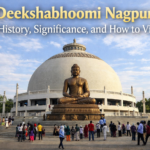
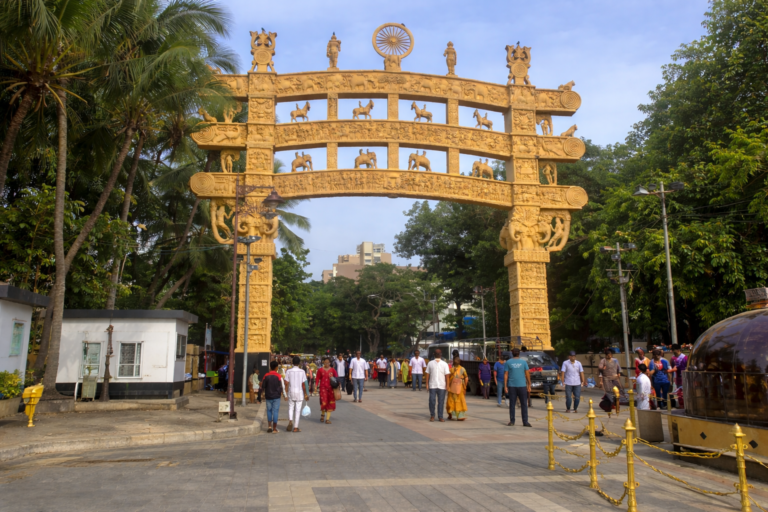
The date October 14, 1956 — now celebrated annually as Dhammachakra Pravartan Day at Deekshabhoomi, Nagpur — is one of the most significant events in modern Indian history.
Over 380,000 to 500,000 Dalits converted to Navayana Buddhism alongside Ambedkar. It was the largest peaceful religious mass conversion in recorded history. Today, nearly 90% of Navayana Buddhists live in Maharashtra, with the majority belonging to the Mahar caste.
Ambedkar had declared at a press conference the day before: “Our Buddhism is a Neo-Buddhism, Navayana.”
Navayana vs Traditional Buddhism — Quick Comparison
| Feature | Traditional Buddhism | Navayana Buddhism |
|---|---|---|
| Focus | Individual liberation | Collective social liberation |
| Karma | Across lifetimes | Actions in this life only |
| Rebirth | Central doctrine | Rejected |
| Nirvana | Escape from samsara | Just society on earth |
| Meditation | Core practice | De-emphasized |
| Scripture | Pali Canon / Sutras | The Buddha and His Dhamma |
| Caste | Often coexisted with caste | Actively opposes caste |
People Also Ask
Q: Is Navayana Buddhism a separate religion? Navayana is generally considered a distinct school of Buddhism rather than a completely separate religion. Its followers call themselves Buddhists, though mainstream Buddhist scholars often view it as a radical political reinterpretation rather than a traditional lineage.
Q: How many people follow Navayana Buddhism today? Estimates suggest there are over 6–8 million Navayana Buddhists in India, primarily in Maharashtra. The movement continues to grow, particularly among Dalit communities.
Q: What are the 22 vows of Ambedkar? The 22 vows are pledges taken during conversion. They are divided into three sections: rejecting Hindu religious dogmas, rejecting Brahmin priestly authority, and committing to Buddhist ethical principles, equality, and social service.
Q: Did Ambedkar reject all of Buddhism? No. Ambedkar deeply respected the Buddha and accepted his ethical framework. He rejected specific metaphysical doctrines — karma across lifetimes, rebirth, and supernatural elements — while embracing the Buddha’s emphasis on reason, compassion, and freedom from suffering.
Q: Why is Navayana Buddhism important in India today? Navayana continues to serve as a vehicle of political identity, social dignity, and resistance to caste discrimination for millions of Dalits. It represents one of the most powerful intersections of religion and human rights movements in the modern world.
Why Navayana Still Matters in 2025
Ambedkar’s Navayana Buddhism is not a relic of history. It is a living, breathing movement that continues to inspire:
- Dalit rights activists who use Buddhist identity as a form of resistance
- Scholars studying the intersection of religion and social justice
- Policymakers debating caste discrimination and constitutional rights
- Millions of ordinary families who find dignity, community, and hope in its teachings
In a country where caste still shapes life opportunities, Navayana offers a framework that is simultaneously spiritual, political, and deeply human.
Conclusion: A New Vehicle for an Ancient Struggle
Navayana Buddhism is Ambedkar’s greatest intellectual gift to India. By stripping away the metaphysical and focusing on the moral, he reimagined an ancient religion as a tool for modern liberation.
It is not Buddhism against tradition. It is Buddhism for the people who were denied a place in tradition.
Understanding Navayana Buddhism — Ambedkar explained — means understanding that the fight for equality can come wrapped in the robe of the dharma, powered not by the promise of a better afterlife, but by the demand for a better this life.
Sources: Wikipedia (Navayana), Forward Press, University of Vermont Scholarly Works, Project Navayan, StudyIQ