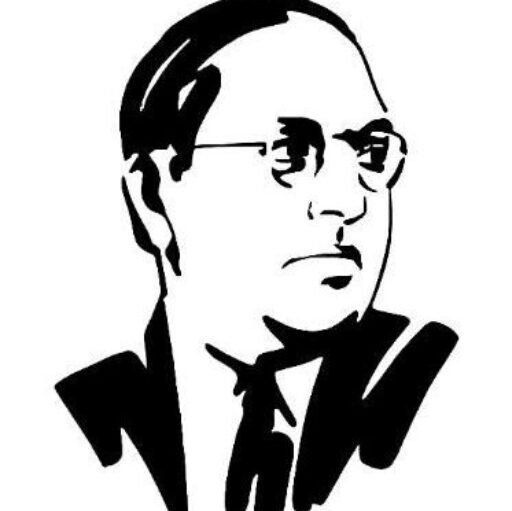
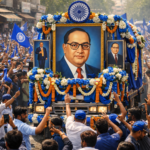
Every year, on the Night of December 5th, something extraordinary unfolds along the western shoreline of Mumbai. Long streams of people — dressed in white and blue, many having traveled for days from distant villages, some carrying only a small bag and an unbending sense of devotion — converge on a modest, stupa-shaped memorial beside Dadar Chowpatty beach. This is Chaityabhoomi, and the occasion is Mahaparinirvan Diwas: the death anniversary of Dr. B.R. Ambedkar, the architect of the Indian Constitution and one of the most transformative figures in modern Indian history.
Chaityabhoomi Mumbai is far more than a monument. It is the emotional and spiritual heart of the Ambedkarite movement — a place where grief, reverence, political consciousness, and Buddhist faith converge every December in one of India’s largest annual gatherings. If you want to understand why this site matters, what happens there, and how to visit, this complete guide,” Chaityabhoomi Mumbai Mahaparinirvan Diwas, “has everything you need.
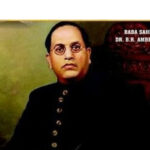
Chaityabhoomi (also spelled Chaitya Bhoomi) is the cremation memorial and sacred resting place of Dr. Bhimrao Ramji Ambedkar — known affectionately as Babasaheb — located beside Dadar Chowpatty beach in the Dadar area of Mumbai, Maharashtra. The name itself is instructive: Chaitya refers to a Buddhist shrine or sacred place of worship, and Bhoomi means land or earth. Together, the name translates loosely to “the sacred Buddhist land.”
The site is formally recognised as a Class A pilgrimage and tourist destination by the Maharashtra government — a status granted in December 2016 to facilitate its development and preservation. Today, it stands as arguably the most important pilgrimage site for millions of Dalit and Neo-Buddhist communities across India and beyond.
“Ambedkar is perhaps the only leader who manages to move the masses, even so many years after his death. Lakhs of Bahujans gather at Chaityabhoomi each year — a phenomenon largely neglected by mainstream Indian media.” — Somnath Vaghmare, documentary filmmaker
History: From Cremation Ground to National Memorial
The Death of Dr. B.R. Ambedkar (December 6, 1956)
Dr. Ambedkar passed away on December 6, 1956, at his home in Delhi — just 47 days after making one of the most historic decisions of his life: converting to Buddhism along with approximately 600,000 followers at Nagpur on October 14, 1956, in what became the largest mass religious conversion in modern history. His body was brought from Delhi to Mumbai, where he was cremated at the site that now bears the name Chaityabhoomi, near Dadar Chowpatty beach.
The day of his cremation on December 7, 1956, was itself a moment of mass social assertion — eyewitness accounts record that hundreds of thousands of his followers who attended spontaneously converted to Buddhism at the cremation site, as a final act of solidarity with their leader’s last great decision.
Establishment of the Memorial (1971)
The formal memorial structure at Chaityabhoomi was inaugurated on December 5, 1971, by Meerabai Yashvant Ambedkar, the daughter-in-law of Dr. B.R. Ambedkar. The relics of Ambedkar are enshrined within the memorial. Over the following decades, the site was developed, maintained, and expanded to accommodate the ever-growing number of annual visitors.
Recognition and Future Development
In 2012, the Central Government under Prime Minister Manmohan Singh cleared the transfer of the adjoining Indu Mills land to the Maharashtra Government for the construction of a grand Dr. Ambedkar memorial — a project that remains a topic of significant political importance in Maharashtra. The proposed memorial at Indu Mills is meant to be a world-class tribute to Ambedkar’s legacy, complementing the existing Chaityabhoomi.
Historical Timeline
October 14, 1956 — Dr. Ambedkar converts to Buddhism at Nagpur with 600,000 followers.
December 6, 1956 — Dr. Ambedkar passes away in Delhi.
December 7, 1956 — Cremation at Dadar; hundreds of thousands of followers convert to Buddhism at the site.
December 5, 1971 — Chaityabhoomi was formally inaugurated by Meerabai Ambedkar.
December 2016 — Maharashtra government grants Class A pilgrimage status to Chaityabhoomi.
Architecture & What’s Inside Chaityabhoomi
The architecture of Chaityabhoomi draws consciously from ancient Buddhist traditions, positioning the memorial within a long continuum of Buddhist sacred design stretching back to the era of Emperor Ashoka. Every visual element at the site is intentional, communicating both reverence for Dr. Ambedkar and his deep embrace of Buddhism.
The Entrance Gate
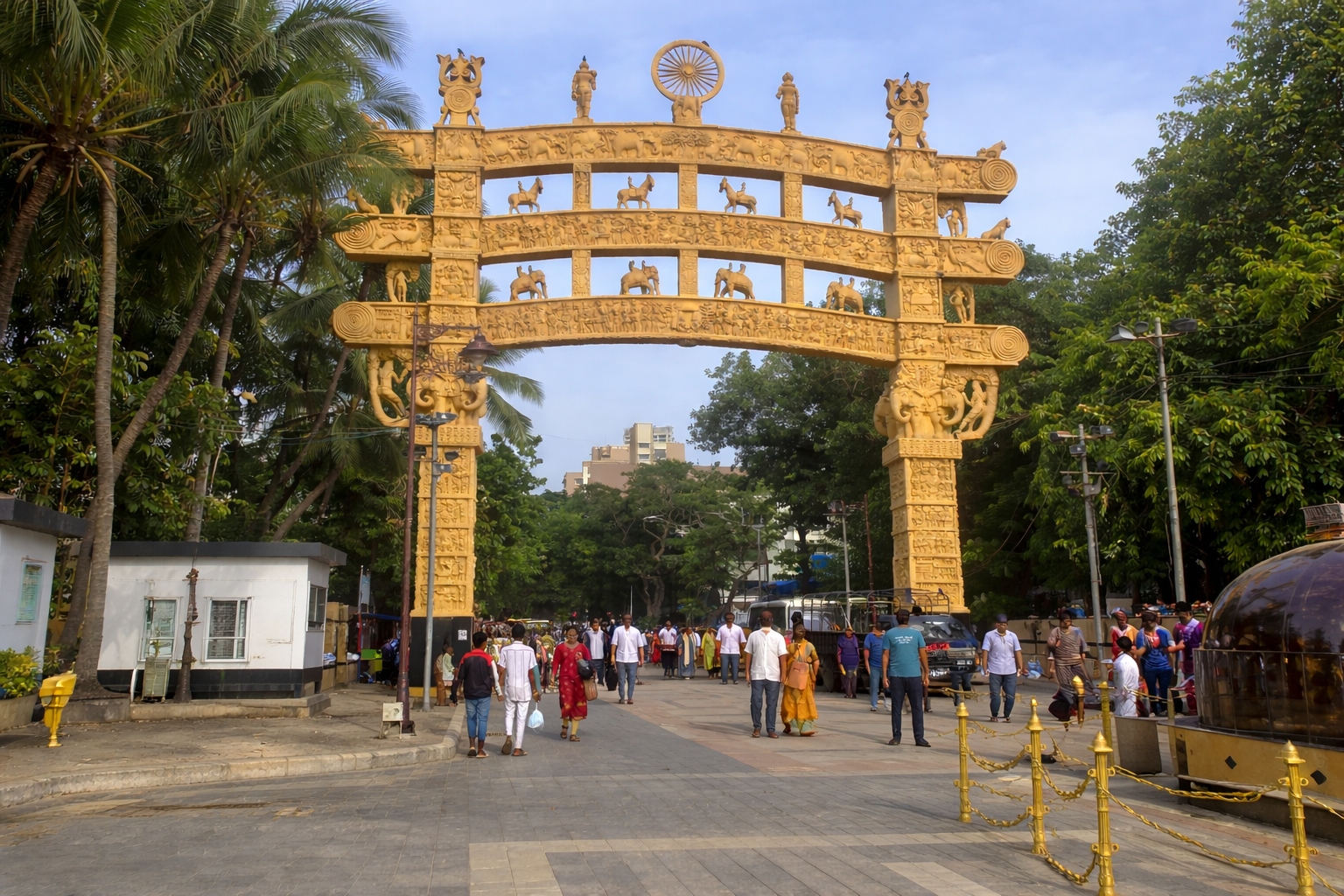
The main entrance gate of Chaityabhoomi is a striking replica of the iconic torana (gateway) of the Sanchi Stupa in Madhya Pradesh — one of the oldest Buddhist monuments in the world. This choice is rich with symbolism: the Sanchi Stupa was built by Emperor Ashoka, the ruler who spread Buddhism across Asia, and Dr. Ambedkar saw in Ashoka’s story a parallel to his own mission of elevating the oppressed through the teachings of the Buddha.
The Main Structure
Inside the entrance, visitors encounter a replica of the Ashoka Pillar, the iconic national emblem of India — a powerful reminder of Ambedkar’s dual legacy as both a champion of Buddhism and the principal architect of the Indian Constitution. The main memorial structure is square in shape, with a dome divided into ground and mezzanine levels.
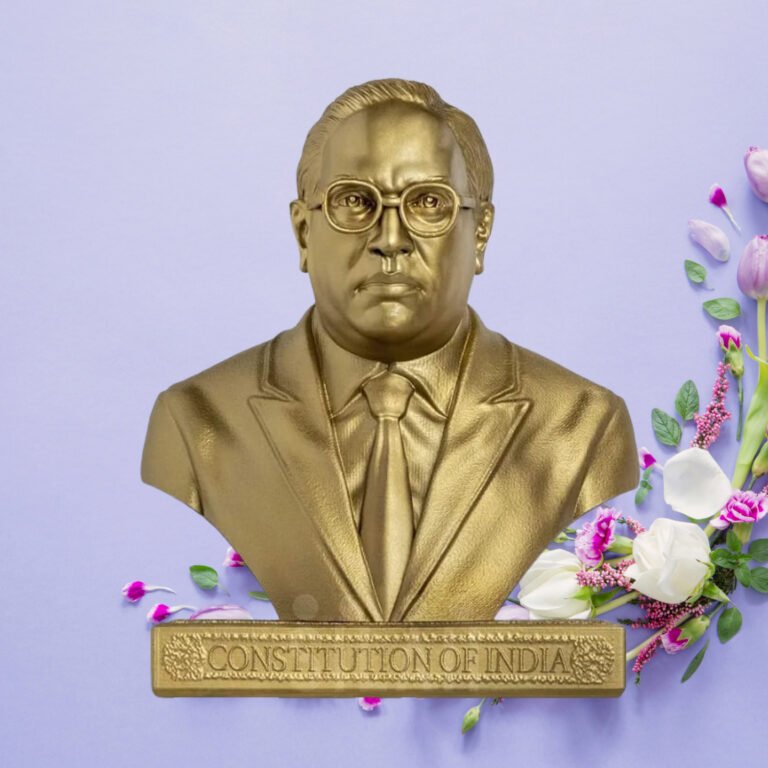
Within the square structure stands a circular wall approximately 1.5 metres in height. Inside this circular enclosure are placed two central objects of veneration: a bust of Dr. B.R. Ambedkar and a statue of Gautam Buddha. The circular wall has two entrances and is furnished with marble flooring that gives the inner sanctum a serene, temple-like quality. On the mezzanine level sits a stupa, alongside a resting place for Buddhist monks (Bhikkhus).
The Surroundings
The memorial is set within a peaceful garden overlooking Dadar Chowpatty beach, providing an unusual combination of urban bustle and contemplative calm. Outside the premises, visitors will find a bookshop stocking Ambedkar’s writings and Dalit literature, flower vendors, and food stalls. The site is designed to be accessible, featuring an elevated deck with ramps for visitors with mobility challenges.
Mahaparinirvan Diwas: Why December 6 Matters
The term Mahaparinirvan holds deep religious resonance. In Buddhist, Hindu, and Jain traditions, Parinirvana refers to the final deliverance from the cycle of birth and death — the state of complete liberation achieved at the moment of death by one who has attained enlightenment. The prefix Maha adds the quality of greatness. Observing December 6 as Mahaparinirvan Diwas is therefore a way of acknowledging Dr. Ambedkar’s death not as loss, but as the ultimate liberation of a great soul.
The day holds additional weight because Dr. Ambedkar died as a Buddhist — just weeks after his historic conversion — which means his death carries the full symbolism of the Buddhist concept of Parinirvana. This framing transforms the anniversary from a day of mourning into one of solemn, spiritually charged commemoration.
Maharashtra has declared December 6 a public holiday for government and semi-government offices in Mumbai. The event draws political leaders across party lines — from the Chief Minister and Governor of Maharashtra to leaders of the opposition — all of whom pay floral tributes at Chaityabhoomi. In 2025, Maharashtra CM Devendra Fadnavis, Governor Acharya Devvrat, Uddhav Thackeray, and Aaditya Thackeray were among the dignitaries who attended.
The Pilgrimage Experience: What Happens Every December 6
The scale of the Mahaparinirvan Diwas gathering at Chaityabhoomi is staggering. Estimates from organisations on the ground suggest that between 10 and 15 lakh (one to 1.5 million) visitors arrive at Chaityabhoomi across the two to three days surrounding December 6. The pilgrimage draws people from across Maharashtra, from northern Indian states, and even from Nepal and Sri Lanka.
The Journey of the Pilgrims
Many devotees begin their journey several days before December 6, traveling in crowded trains, buses, and vans — or sometimes on foot — from villages and towns hundreds of kilometres away. Families like those from Ambetakli village in Buldhana district travel for two days or more. For many, this is an annual ritual that anchors their year. Some visit every year for decades.
The area around Shivaji Park transforms into a temporary city in the days leading up to December 6. Book stalls appear, selling the works of Dr. Ambedkar and anti-caste literature. Music performances — folk and street artists — fill the air. Feeding centers set up by community organisations provide meals to tens of thousands of visitors.
The Atmosphere
Visitors are almost universally dressed in white and blue — the colours most associated with the Ambedkarite movement. Vendors line the streets selling busts of Ambedkar and Buddha, photo prints, and dupattas in blue and white. The atmosphere is simultaneously solemn and deeply communal — grief and pride, mourning and celebration, existing in the same breath.
Government Arrangements
Department
Arrangements Made
Mumbai Police
Thousands of constables, 8 Deputy Commissioners, CCTV surveillance, traffic diversions
Central Railway
12+ additional suburban trains; special long-distance services
BEST (Bus Transport)
Additional bus routes, daily travel passes at ₹75, mobility support
BMC
Waterproof canopies, mobile toilets, drinking water stations, medical stalls
Live streaming
Proceedings broadcast live on Facebook, Twitter, and YouTube
How to Visit Chaityabhoomi: Location, Timings & Tips
Nearest Station: Dadar Station (Central & Western Railway lines) — approximately 1.5 km walk or auto-rickshaw
Open: Daily, generally from early morning to evening (no fixed closing time for general visits)
Entry Fee: Free of charge
Dress code: Modest clothing; remove footwear before entering the inner sanctum
Best months to visit: Year-round. Avoid December 4–7 unless specifically attending Mahaparinirvan Diwas (extremely large crowds)
Getting There
The most convenient approach is to take a local train to Dadar Station on either the Central or Western Railway lines — one of Mumbai’s largest interchange stations. From there, the memorial is reachable by auto-rickshaw, taxi, or a pleasant 15–20 minute walk through the Dadar neighbourhood toward the beach. On Mahaparinirvan Diwas, traffic restrictions are in effect across Dadar and the surrounding area, so arriving by train is strongly recommended.
Tips for Mahaparinirvan Diwas Visitors
If you are attending on December 6, plan for dense crowds and limited vehicle access. Arrive early — ideally before 6 AM — to avoid the peak rush. Carry your own water bottle; while drinking water is provided by the BMC, queues can be long. Wear comfortable footwear that you can remove easily. Mobile phone networks can be congested, so inform contacts of your plans in advance. BEST runs daily travel passes at ₹75 on December 5 and 6, valid for unlimited bus travel across Mumbai.
Other Significant Events at Chaityabhoomi
While Mahaparinirvan Diwas on December 6 is by far the largest gathering, Chaityabhoomi sees significant crowds on several other occasions throughout the year. Ambedkar Jayanti (April 14, Dr. Ambedkar’s birthday) draws large numbers of followers who come to pay tribute on a day of celebration rather than mourning. Dhammachakra Pravartan Din, observed on October 14, commemorates the historic 1956 mass conversion to Buddhism at Nagpur and holds deep religious meaning for the Neo-Buddhist community. The site also functions as a year-round place of Buddhist prayer, meditation, and quiet reflection for individuals and small groups.
People Also Ask: Your Questions Answered
What is Chaityabhoomi in Mumbai?
Chaityabhoomi is the Buddhist memorial and cremation site of Dr. B.R. Ambedkar (Babasaheb), India’s Constitution chief architect, located beside Dadar Chowpatty beach in Mumbai. It was inaugurated in 1971 and is one of the most significant pilgrimage destinations in India for Ambedkarite and Neo-Buddhist communities. The relics of Dr. Ambedkar are enshrined at the site.
Why is December 6 celebrated as Mahaparinirvan Diwas?
December 6 is observed as Mahaparinirvan Diwas because Dr. B.R. Ambedkar passed away on this date in 1956. The word “Mahaparinirvan” comes from the Buddhist concept of Parinirvana — the final liberation from the cycle of birth and death. Since Dr. Ambedkar died as a Buddhist (having converted just weeks before), his death anniversary is observed using this Buddhist term, transforming it into a day of both mourning and spiritual significance.
How many people visit Chaityabhoomi on Mahaparinirvan Diwas?
Community organisations on the ground estimate that between 10 and 15 lakh (one to 1.5 million) people visit Chaityabhoomi over the two to three days surrounding December 6 each year. Visitors come from across Maharashtra and other Indian states, as well as from countries like Nepal and Sri Lanka. It is considered one of the largest annual gatherings in India.
Is there an entry fee to visit Chaityabhoomi?
No, entry to Chaityabhoomi is completely free of charge. Visitors are asked to remove their footwear before entering the inner sanctum. The site is open to people of all faiths and backgrounds.
What is the difference between Chaityabhoomi and Deekshabhoomi?
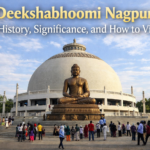
Both are major Ambedkarite pilgrimage sites, but they are in different cities and mark different events. Chaityabhoomi is in Mumbai (Dadar) and is the cremation and memorial site of Dr. Ambedkar — observed on December 6, Mahaparinirvan Diwas. Deekshabhoomi is in Nagpur and is the site where Dr. Ambedkar and his followers converted to Buddhism on October 14, 1956, observed as Dhammachakra Pravartan Din. Deekshabhoomi houses the world’s largest hollow stupa.
What is the nearest railway station to Chaityabhoomi, Mumbai?
The nearest railway station is Dadar Station, which is served by both the Central and Western Railway lines, making it one of Mumbai’s most accessible interchange stations. From Dadar Station, Chaityabhoomi is approximately 1.5 km away and can be reached by auto-rickshaw, cab, or by walking through the neighbourhood toward the beach.
What is inside the Chaityabhoomi memorial?
Inside Chaityabhoomi, you will find a main entrance gate modelled on the Sanchi Stupa gateway, a replica of the Ashoka Pillar, a square memorial structure with a dome, a circular inner sanctum with a bust of Dr. Ambedkar and a statue of Gautam Buddha, marble flooring, and a mezzanine-level stupa with a resting area for Buddhist monks. The site also includes a garden, a bookshop with Ambedkarite literature, and flower stalls.
Why Chaityabhoomi Remains Irreplaceable
In an India that is still navigating the long shadow of caste, Chaityabhoomi occupies a singular place — not just as a memorial, but as a living site of assertion, solidarity, and hope. Each December 6, when millions converge from across the country to stand at the edge of the Arabian Sea and pay their respects to a man who spent his life fighting for their dignity, the place becomes something more than stone and dome and garden.
For first-time visitors, Chaityabhoomi can be a quietly overwhelming experience. The scale of devotion, the depth of history encoded in every architectural element, and the feeling of participating — even as a witness — in one of India’s most significant grassroots movements, makes a visit to this Dadar landmark meaningful in ways that few monuments in the country can match.
Whether you come on a quiet weekday in any month or amid the roaring millions on December 6, Chaityabhoomi Mumbai is a place that demands attention, reflection, and respect.