A reservation exists for a reason. It is a constitutional promise — not a charity, not a shortcut, not something to feel ashamed about.
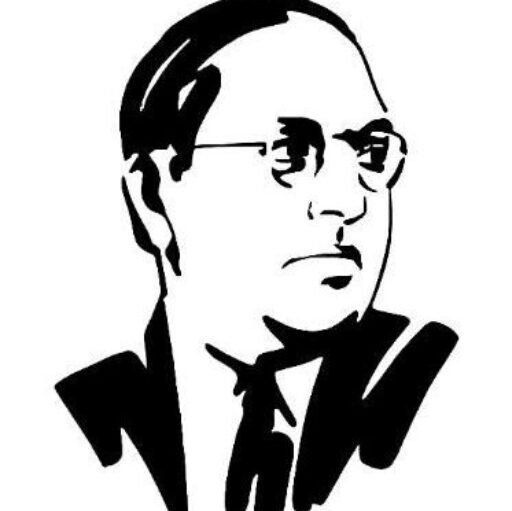
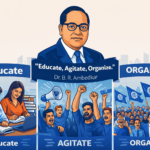
Dr. B.R. Ambedkar designed it to correct centuries of social injustice. The Indian Constitution protects it under Articles 15 and 16. And yet, most SC, ST, and OBC students never fully understand how to use it — and end up losing benefits they were legally entitled to.
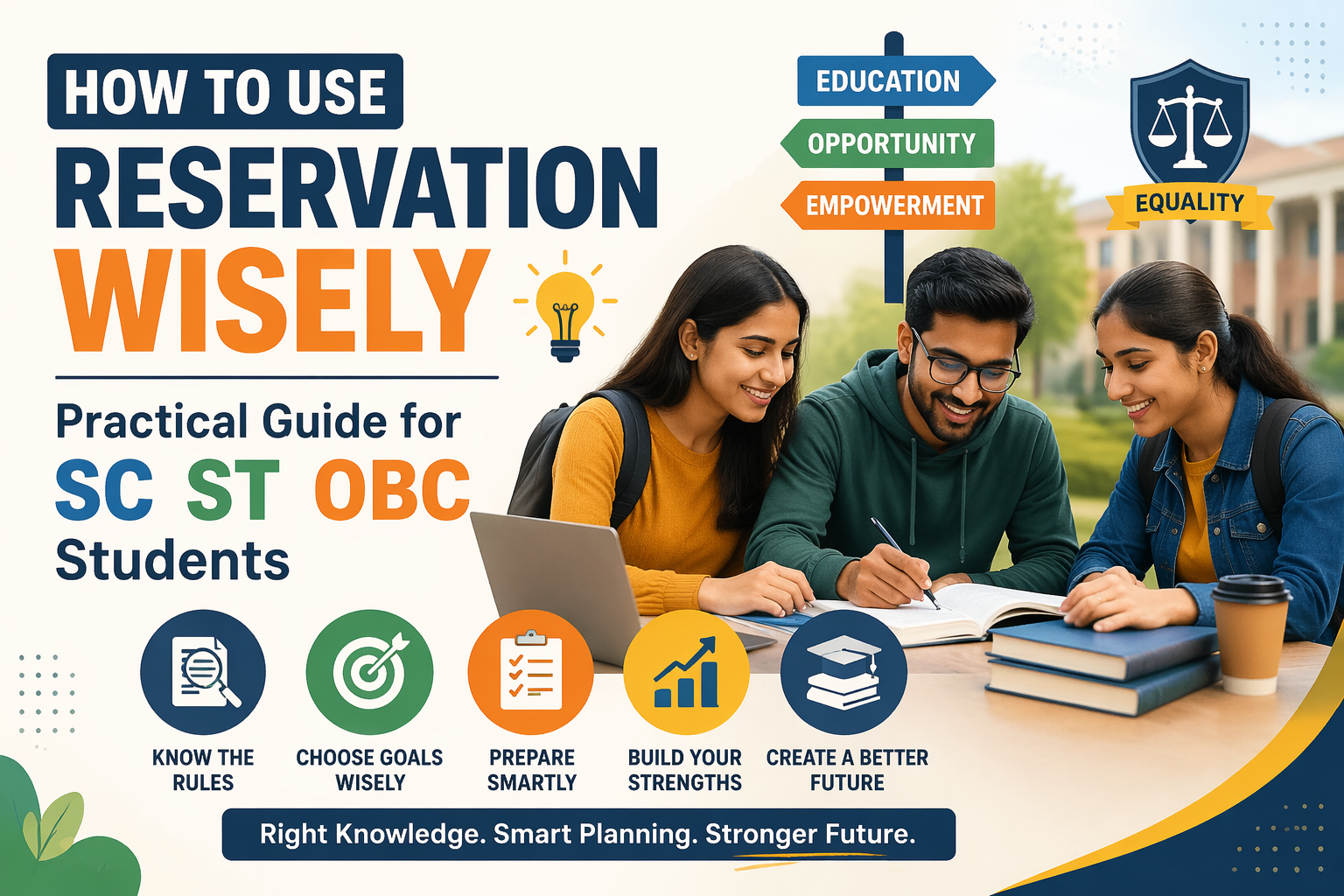
This guide, “How to use reservation sc st obc students,” fixes that. No jargon. No long legal language. Just plain, practical information you can use right now in 2026
First, understand what a reservation actually gives you
Reservation is not just about “getting a seat.” It gives you multiple advantages across education, government jobs, and competitive exams. Here is a clear breakdown:
In Higher Education (IITs, IIMs, Medical Colleges, Central Universities):
SC: 15% seats reserved
ST: 7.5% seats reserved
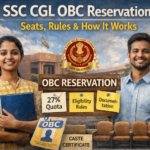
OBC-NCL: 27% seats reserved
Lower cut-off marks for reserved category seats
Fee waivers and scholarships are available
Other Benefits:
Exemption from application/exam fees in many government exams
Relaxed eligibility norms in some recruitment processes
Scholarship schemes from the Central and State governments
Free and subsidised coaching under schemes like pre-matric, post-matric scholarships, and National Fellowship schemes
The Most Important Thing No One Tells You: Know Your Competition
Here is something critical that most students miss.
When you apply under a reserved category, you are not competing with the general category pool. You are competing within your own category pool.
For example, if 100 seats are available in a government exam, roughly 15 seats are reserved for SC, 7–8 for ST, 27 for OBC. SC candidates compete among SC applicants. OBC among OBC. This means your real competition is much smaller than it appears.
This is why understanding your category is not just paperwork — it directly decides your chances of selection.
Practical Step 1: Get Your Caste/Category Certificate — And Keep It Valid
This is the single most common reason students lose their reservation benefit. They either don’t have the right certificate or it is outdated.
Here is what you need:
For SC and ST candidates:
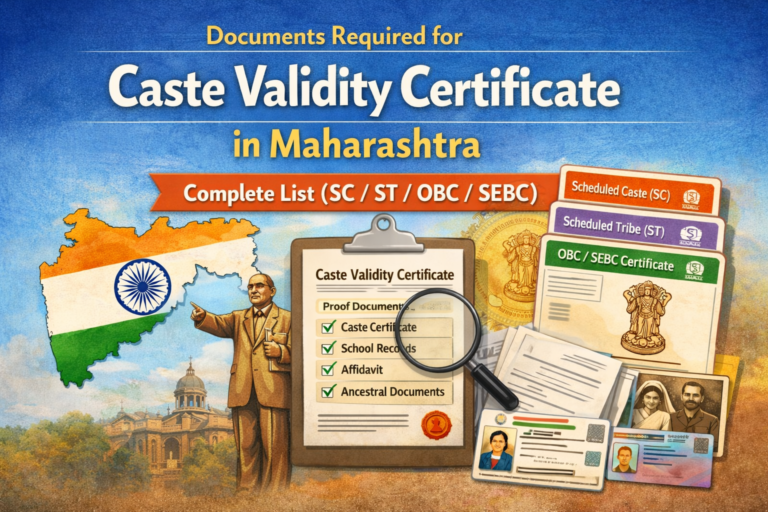
A caste certificate issued by a competent authority (Tehsildar, SDM, or District Magistrate)
Your community must be listed in the Central Government’s official SC/ST list
SC/ST certificates do not expire — but verify the format matches the requirement of each exam/institution
For OBC candidates:
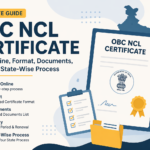
A Non-Creamy Layer (NCL) certificate — this is separate from just an OBC caste certificate
The NCL certificate must typically be issued within the same financial year you are applying
An old OBC certificate from 3 years ago will likely be rejected
Common mistake: Many OBC students carry their old caste certificate but forget to renew the NCL certificate. This gets them disqualified during document verification — not because of marks, but because of paperwork.
Action point: Get your NCL certificate renewed every year, especially before applying for any exam or college admission.
Practical Step 2: Understand the OBC Creamy Layer Rule
This one confuses a lot of students.
OBC reservation is only for Non-Creamy Layer (NCL) OBC candidates. If your family’s gross annual income exceeds ₹8 lakh per year, you fall in the “creamy layer” and are not eligible for OBC reservation.
There is no creamy layer concept for SC and ST candidates. SC/ST reservation applies regardless of family income.
Here is how to check if you are NCL:
Family income below ₹8 lakh per year (as per current government norms)
Parents should not hold Constitutional positions or high Group A services (there are specific rules for this)
If you are unsure, visit your local SDM office or Tehsildar and ask directly. Do not guess.
Practical Step 3: Always Apply in Your Category — Don’t “Try” General
Many students think applying under the general category will “look better” or “prove more.” This is a myth.
If you are eligible for SC/ST/OBC reservation, always select your category in the application form. Here is why:
You get a lower cut-off, which means a better chance of selection
You get more attempts and age relaxation (especially important if you fail on the first try)
If you score high enough to qualify in the general category, you are still selected, but as a reserved category candidate who cleared general merit, which is recorded separately as your achievement
You lose nothing by claiming a reservation. You only lose if you don’t.
Practical Step 4: Stack Your Benefits
A reservation can be combined with other schemes. Most students don’t know this.
Here are government schemes SC ST OBC students should actively use:
Scholarships (Central Government):
Pre-Matric Scholarship for SC/ST/OBC students (Class 1–10)
Post-Matric Scholarship for SC/ST/OBC students (Class 11 onwards, including college)
National Fellowship for SC/ST students (for research/PhD)
Top Class Education Scheme for SC students (for studying in premium institutions)
Free Coaching:
Coaching for SC/ST candidates for UPSC, SSC, and banking exams under the Ministry of Social Justice
Many State governments run free IAS coaching for SC/ST students — check your state government’s social welfare department website
Hostel Facilities:
Central and State government hostels reserved for SC/ST students near major cities
These often have subsidised fees, much cheaper than private paying guest accommodation
Most of these schemes require you to apply separately. They do not come automatically. Visit nationalscholarship.gov.in and your state’s social welfare portal to check what you are entitled to.
Practical Step 5: Know the Difference Between Central and State Lists
This is especially important for OBC students.
India has a Central OBC list and separate State OBC lists. Your community might be in the State OBC list but not in the Central list — or vice versa.
For UPSC and central government jobs: The Central OBC list applies. For state government jobs and state university admissions: The State OBC list applies.
If you apply for a central government exam using a state-level OBC certificate for a community not in the Central list, your claim will be rejected.
Action point: Before any application, cross-check whether your community appears in the Central list at the National Commission for Backward Classes (NCBC) website: ncbc.nic.in.
Common Mistakes SC ST OBC Students Must Avoid
These mistakes cost real opportunities every year:
1. Using an expired NCL certificate. OBC-NCL certificates have a validity period. Always renew before applying.
2. Not mentioning the category in the application form. Some students forget to select their category. Once submitted, it usually cannot be changed.
3. Assuming reservation guarantees selection. Reservations reserve seats and lower cut-offs. You still have to qualify. Prepare seriously.
4. Not checking if your exam has a fee exemption. Many central exams — UPSC, SSC, Railways — waive fees for SC/ST candidates. OBC candidates may or may not be exempt depending on the exam. Always check.
5. Not using age relaxation wisely. SC/ST candidates get unlimited attempts till age 37 for UPSC. This is a massive advantage. But don’t waste it — plan your attempts with a clear strategy. Don’t keep attempting without changing your preparation approach.
6. Losing documents during counselling. Keep physical copies AND scanned digital copies of all certificates — caste certificate, NCL certificate, domicile certificate, income certificate. Keep them saved in Google Drive.
The Right Mindset: Reservation Is Your Right, Not Your Ceiling
One more thing — and this is important.
Use a reservation to get in. But once you are in, compete at the highest level.
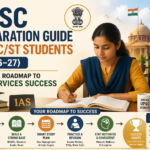
Tina Dabi used the SC reservation in the UPSC 2015 and became AIR 1 overall. Anil Basak, an SC candidate, qualified in the general merit list at Rank 45. They used the reservation as the door. Then they walked through it with full preparation.
A reservation is not a ceiling on what you can achieve. It is a floor that gives you a fair starting point. What you build above that is entirely yours.
Quick Reference: What to Do Right Now
If you are an SC, ST, or OBC student preparing for any competitive exam in 2025, take these steps this week:
Check if your caste certificate is in the correct format for the exam you are targeting
If you are OBC, renew your NCL certificate if it is older than the current financial year
Visit nationalscholarship.gov.in and apply for any scholarship you qualify for
Visit your state social welfare department website and check for free coaching or hostel schemes
Visit ncbc.nic.in (for OBC) and check if your community is on the Central list
Select your category clearly in every application form — never leave it blank
Final Words
Reservation in India is a constitutional right backed by Articles 15 and 16. It gives SC, ST, and OBC students access to seats, lower cut-offs, age relaxation, more exam attempts, scholarships, and free coaching. But it only works if you understand it and use it correctly.
The system is on your side. The paperwork, the rules, the certificates — learn them once, and use them for life.
You were not given a reservation to be average. You were given it to reach the top from an unequal start.
Use it wisely. Prepare hard. Let your results speak.
This article is for informational purposes. For official and updated reservation rules, always refer to the official UPSC notification, DoPT guidelines, and your respective state government’s social welfare portal.